Blog

HTTP Caching on Apache: Why and How for Legacy Web Systems

When a legacy web system becomes noticeably slower, it is important to react before a critical service failure. Studio theYANG introduces reverse proxy caching on Apache, the easiest and the most effective way of relieving the load of your system. Here’s why and how.

Continue reading HTTP Caching on Apache: Why and How for Legacy Web Systems

Studio theYANG announces collaboration with SOCODEVI on Performcoop software

Studio theYANG is glad to start the technical consultation for SOCODEVI, a global not-for-profit organization headquartered in Quebec City. We expect to bring Django expertise into SOCODEVI’s mission of developing and consolidating cooperative values and improving living conditions of the members and communities of participating cooperations.

Continue reading Studio theYANG announces collaboration with SOCODEVI on Performcoop software

Logging Correctly with syslogd

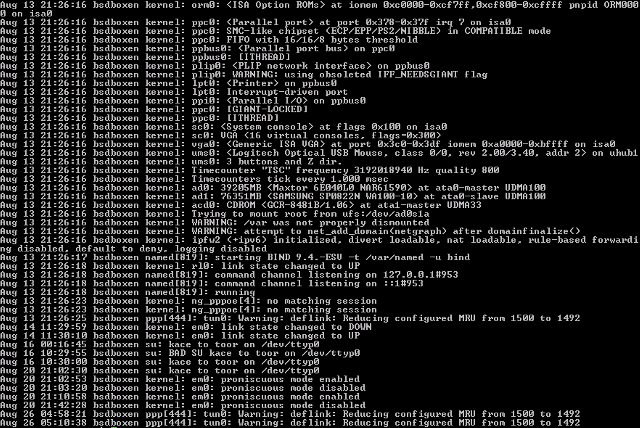
System logging is usually the most ignored part in web systems and is often done in an incorrect manner. This is a risk when the system becomes legacy and its complexity develops. In this post, Studio theYANG discusses how to log your system correctly with syslogd.

Continue reading Logging Correctly with syslogd

What Is Performance Optimization on Web Systems?

Studio theYANG’s expertise in performance optimization roots from the real concerns of clients unsatisfied by the response speed and stability of their Web systems. Why does the issue emerge gradually? What are the common misunderstandings? How do we mitigate the problems? Continue reading What Is Performance Optimization on Web Systems?

Integration of LXDock in devOps Practice

Studio theYANG, as a collaborator on the pilot project of LXDock during version 0.2 to 0.3, favours the integration of LXDock in devOps practice of web systems as the configuration of development environments.

Continue reading Integration of LXDock in devOps Practice